Working with
Saj Razvi, LPC
Receive PSIP sessions directly from the developer of the model
Saj Razvi is the founder & Director of Education at PSI, and one of the primary developers of PSIP (Psychedelic Somatic Interactional Psychotherapy).
This page is for individuals who are interested in working with Saj directly, either on a short-term consultation basis reviewing their own therapeutic process or to receive ongoing therapeutic PSIP work.
This is not a general therapy offering. Saj’s private practice is limited and specialized. Entry into either of the services requires an initial paid consultation to determine whether working together is appropriate and useful, along with the submission of a pre-consultation questionnaire.
Please note: Consultations can be conducted remotely from any location. PSIP therapy intensives are conducted in-person in Mexico City or European locations.
Initial consultation ● 60 mins, $400 USD ● 90 mins, $600 USD
Is this the right kind of work for you?
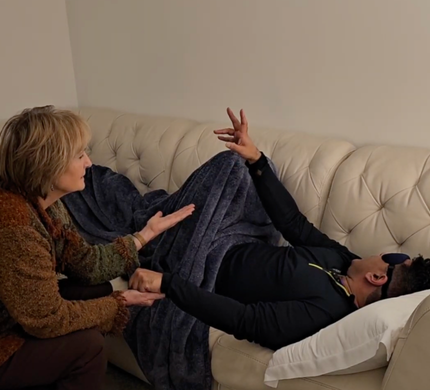
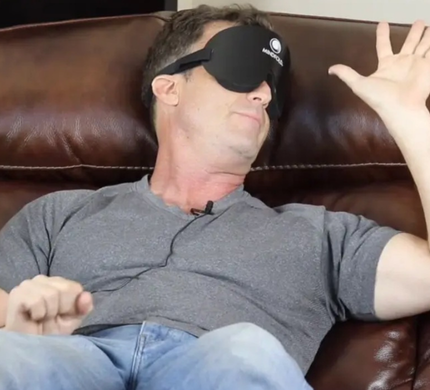
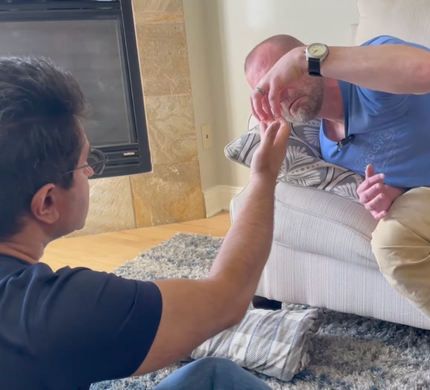
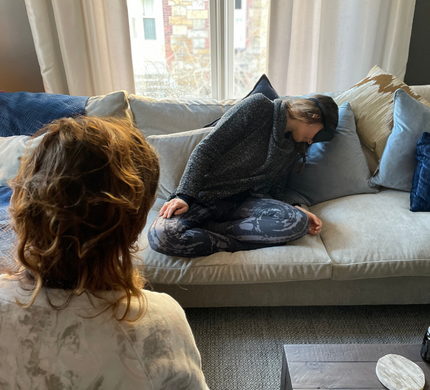
PSIP is a body-based, highly relational, comprehensive trauma modality designed for the altered state of consciousness induced by psychedelic medicines. The focus in PSIP is to move past the defenses, distractions, avoidance and management strategies of the conscious mind to where core experiences and programming from childhood and trauma live. We work in the unconscious mind at the level of the autonomic nervous system to find the you that still feels the aloneness, neglect, abuse, insecurity, or overwhelm of what you went through. We use the psychedelic medicine, the therapeutic container, the autonomic processing pathway and the relationship to reach the much deeper, non-cognitive, hidden you that determines so much about your life.
People often seek PSIP after they have already done substantial personal, spiritual, or psychedelic work, but still find they remain stuck when it comes to symptoms or patterns in their life. Clients seeking PSIP therapy may have spent years engaged in traditional talk therapy focusing on telling the story, insight or cognitive behavioral interventions. People may also have engaged with psychedelic work either in traditional ceremonial settings or with a trip sitter or alone to deal with their mental health concerns. You will find that PSIP feels quite different from these approaches. It feels like your entire system is going back to the scene of the crime with an ally to help process and reclaim yourself. A much deeper, innate intelligence arises through your own body to help you reassociate to the wound and find a much better way through it this time.
Clients seeking PSIP therapy may have had some of the following experiences:
01 Early or developmental trauma such as attachment wounding
02 Complex trauma generated by repeated threats in the person’s own family
03 Dissociative symptoms: emotional numbing, hopelessness, collapse, depression, mental confusion, feelings of emptiness, feeling blank, floaty, depersonalization
04 Symptoms that persist despite gaining more insight, understanding or repeatedly telling the story
05 Little or no response to psychedelic medicines
06 Transpersonal or visually stimulating psychedelic experiences that did not resolve symptoms
07 A sense that “talk therapy helped, but did not reach the root”
A note from Saj

In addition to my primary work teaching and supervising mental health professionals, I work with a limited number of private clients. My focus is not general psychotherapy, coaching, or casual psychedelic integration.
I work with people for whom PSIP is likely to be a good fit: people with enough capacity to engage in the deep psychological deconstructive and reconstructive processes that are often necessary to shift childhood developmental wounding and programming.
Although there is plenty of educational material available online, you do not need to already understand PSIP. You do need to understand that there are a lot of unrealistic, unhelpful myths regarding psychedelic therapy and healing that need to be clarified so your expectations fit reality. The truth is that psychedelics are not a magic pill that you take and one to three sessions later, your core structure and lifelong patterns are forever changed. Powerful insights often don’t translate into meaningful change a few weeks later. Perhaps most notably, your lifelong, deeply ingrained defense mechanisms such as dissociation will not all of a sudden vanish once you take a psychedelic. Meaningful, lasting change takes time, engagement, relationship, and will progress at a pace your body can handle.
To be clear, this is not easy work, but it is compelling work because what you will encounter is fundamentally you – your history, your childhood, your sense of other people, your sense of the world. This depth of psychedelic work involves significant engagement on your part as well as that of your practitioner. Unlike much of traditional mental health care, which is oriented toward symptom management, a psychedelic substance combined with the nervous system has little interest in better coping or management strategies. Instead, the process can involve different levels of deconstruction and reconstruction. It is not mild, it is not easy. Any deep healing, if it is to work with your core structure, will be destabilizing. The rule of thumb is that the more your biology and identity were formed in a traumatic context, the deeper and earlier the reconstruction will need to go.
Personally speaking, my calling in life is to accompany people in these places. I consider it an honor to be in relationship with you in the most impossibly alone, worst places you have inside of yourself. The surprising discovery that most people have in this work is that there is truly nothing to fight. The fear, the strong emotions, the physical reactivity that may arise are all fundamentally an expression of you. It’s your goodness, your life force, that is caught up and expressing in these patterns. For me, watching these processes unfold is redemptive of our lives here. We can trust and let go into something much deeper than the conscious, rational mind, and there is something profound waiting there for us.
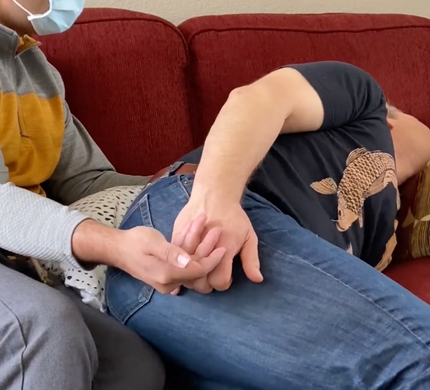
So take my hand, let’s get you out of your own way, and let the process move through you.
Why do this depth of work?
What we see with psychedelic therapy in contrast to traditional therapy is remarkable. We gain access to layers of programming that are otherwise inaccessible due to dissociation and other defenses. The psychedelic will frequently support regression back to early, even pre-verbal infantile states. This is not the adult mind imagining what it was like to be a child, this legitimately feels like becoming the child who is not alone but in a corrective relationship with the practitioner. This is therapeutic gold: it gives us the ability to process traumatic events in an embodied way. This is not a better understanding of the nightmare through the adult mind. It feels very much like a redo of pivotal, developmentally crucial moments of childhood. We see that once the trauma reenactment and reactivity has passed (over multiple sessions), the client’s system engages in a period of organic, post-traumatic growth. The system re-engages in the very developmental processes that were stunted because of the trauma. In other words, we see the nervous system finally begin to reach out for the parent/practitioner, we see the system re-establish attachment, trust, soothing, and engage other relational processes that should have taken place. We see negative projections that are so damaging to a client’s adult relationships significantly decrease. This, of course, means the adult personality built on top of the nightmare and the stunted developmental processes begins to shift as well.
Please review the FAQ and other recommended materials on this page to make the most of your consultation.
Before your consultation
If you are not familiar with PSIP, you might find it useful to review these educational resources before our meeting. The last one in particular is a map of the autonomic nervous system (ANS) that we give to all clients.
These resources will give you a better feel for the orientation of the work, the kind of clinical territory PSIP addresses, and whether this approach resonates with you.
Ways to work with Saj
1.
Pre-consultation questionnaire and initial paid consultation
This is the starting point regardless of whether you simply want a second opinion on your process or are interested in beginning work with Saj.
The consultation is a 60- or 90-minute meeting. It may be used to discuss your history, current goals, previous therapy or psychedelic experience, clinical fit, and what kind of work may best serve you.
A consultation does not guarantee that Saj will take you on as a client. It is an initial meeting to determine professional fit.
My rate is $400 per hour. We begin with a paid consultation to discuss your history, goals, and whether working together is a good fit. Intensives typically run for three to five days, with approximately three hours of session work each day. A three-day intensive is $3,600, and a five-day intensive is $6,000.
Frequently Asked Questions
Do I need to already understand PSIP before booking a consultation?
No, you definitely do not need to already understand the model before booking an appointment. However, familiarity with it will tend to make our time together more efficient. There are a lot of educational materials available on the PSIP model but a curated collection of resources can be found here: https://www.psychedelicsomatic.org/is-psi-training-right-for-me
Do I need to have previous experience with psychedelic therapy or psychedelic medicines?
Not at all, the relational and autonomic pathways PSIP focuses on are quite different from the transpersonal or insight-oriented work, which is usually the focus of most psychedelic experiences. PSIP will feel new even to those with significant psychedelic experience.
Can I book a consultation even if I am not looking for ongoing work with Saj?
Yes, you do not have to know exactly what you are wanting before our consultation.
What happens during the initial consultation?
This is either a 60- or 90-minute meeting that can be used to review your personal therapeutic or psychedelic work. We can focus on patterns or symptoms that do not resolve or that keep recurring, as well as places that remain inaccessible because of dissociation.
If you are interested in receiving PSIP sessions, we can use this time to review your history, process, goals and see if there is a good clinical fit for PSIP work.
What happens if Saj determines that PSIP or working together is not a good fit?
There are three options for people seeking PSIP work:
1) You are a good fit for the modality
2) There are no overt rule-outs but there are some foundational pieces that are not in place which we would work on developing before beginning the psychedelic processing component of the model. This might mean we don’t reach the psychedelic processing phase for some time until the foundation is set.
3) You’ve met one of the rule-out criteria which would make PSIP contraindicated for you. Please see the “PSIP contraindications” segment published in the PSIP therapy FAQ.
There are many variables that can influence readiness for PSIP therapy. Saj will make further recommendations based on the consultation.
What options are available if Saj and I decide to work together?
Working with Saj can involve in-person intensives, or remote options depending on your location. Saj conducts three- to five-day intensives in Mexico City and selected European locations, typically Amsterdam.
How many sessions should I expect to need?
Length of treatment depends on what you are bringing to the table. People who have had a secure, stable, relatively safe early childhood will have a short course of work (3 to 5 sessions). The vast majority of people seeking PSIP have complex, developmental trauma that took place in childhood, typically in their family of origin. These clients should expect a solid year of work which would likely include periodic intensives.
Is PSIP the same as psychedelic integration, coaching, or conventional talk therapy?
No, PSIP is significantly different from all of these. The main process, or agent of transformation, in PSIP is the bottom-up shift accomplished by the autonomic nervous system that takes place in the actual psychedelic session. The type of work that takes place in a psychedelic integration session will typically yield secondary benefits.
What if I have already done years of therapy or psychedelic work and still feel stuck?
This describes the type of client that frequently seeks out PSIP work, and also the experience that motivates many mental health professionals who train at PSI. While there are no guarantees about how well any individual will respond to PSIP work, we frequently see movement with clients dealing with chronically stuck mental health patterns they have struggled with for years.
One potentially useful way to explore how PSIP feels is to register for the Small Group Autonomic Pathway Discovery session run by PSI. This is a single 2.5-hour group session conducted by Saj where participants get a diluted version of what the process feels like.
What if psychedelic medicines have not worked for me in the past?
This is not a rule-out, but it is a reason to gather more information about what didn’t work and ultimately run some experiments altering different variables. The primary interventions in PSIP involve therapeutic levers meaning we focus on the relationship, the container, the level of internalized solution, the condition of the client’s autonomic nervous system, dissociation and other variables. Rarely is the solution to a stuck system, “take more medicine."